
AI-generated
Merluza en salsa verde — hake and clams in parsley sauce
Log in or create a free account to save recipes.
Source: https://recipheon.com/en/recipes/main-dishes/merluza-en-salsa-verde-hake-and-clams-in-parsley-sauce
About this recipe
Merluza en salsa verde is Basque hake with clams in a delicate garlic, white wine and parsley sauce. The pale sauce is lightly thickened with flour and full of finely chopped parsley, while the hake stays juicy and separates easily into flakes. Cook the clams separately and use their carefully strained liquid to enrich the sauce. This home version serves four and uses prepared fish stock and live clams already depurated by the supplier. Allow about 1 hour to prepare the dish.
Ingredients
Fish and clams
800 g raw chilled hake loin fillets with skin and without bones, 4 portions of about 200 g
500 g live Manila clams (vongole) in their shells, bought from a reputable source and depurated by the supplier; weight includes shells
salt, used in stages: 3 g for the fish and up to 2 g for final sauce seasoning to taste
Parsley and wine sauce
40 g extra-virgin olive oil; all stays in the sauce
16 g peeled garlic
12 g all-purpose flour, Polish type 450 or 500
100 ml dry white wine
300 ml prepared strained, defatted fish stock, without pieces of fish or vegetables, not a concentrate: 100 ml for the clams and 200 ml for the sauce
20 g fresh parsley, weighed after removing thick stems: 10 g for the sauce and 10 g at the end
Steps
Keep the clams refrigerated in a ventilated container under a damp cloth until cooking; do not seal them airtight and do not keep them submerged in water. Just before cooking, briefly rinse the shells under cold running water and scrub away dirt with a brush. Discard clams with cracked shells and any open ones that do not close when gently tapped. We use clams already depurated by the supplier, so this recipe does not include purging them at home.
Pat the four hake portions, about 3 cm thick, dry and remove any remaining bones you can feel with fish tweezers. Season the fish with 3 g salt and refrigerate while preparing the sauce. Finely chop the garlic and parsley. Prepare a pot with a lid for the clams and a wide, deep pan with a lid, about 28 cm in diameter, that holds the fish in a single layer.
Pour 100 ml stock into the pot and bring to a boil. Add the clams, cover and wait for vigorous steaming to return, then cook with the lid on for about 5–7 minutes, shaking the pot once or twice, until the shells open and the flesh is cooked. Discard clams that remain closed; transfer the cooked open ones to a clean bowl and cover loosely while the fish cooks. Strain all the liquid from the pot through a fine sieve lined with clean, dense, closely woven cheesecloth to catch sand, and reserve it for the sauce.
Heat all the oil in the wide pan over low heat, add the garlic and stir for about 1 minute, until fragrant but not brown. Add the flour and stir for about 1 more minute. Pour in the wine and cook without a lid for about 2–3 minutes, then gradually stir in the remaining 200 ml stock and all the strained clam liquid. Add 10 g parsley and simmer gently for about 3 minutes, until the sauce thickens slightly but stays fluid.
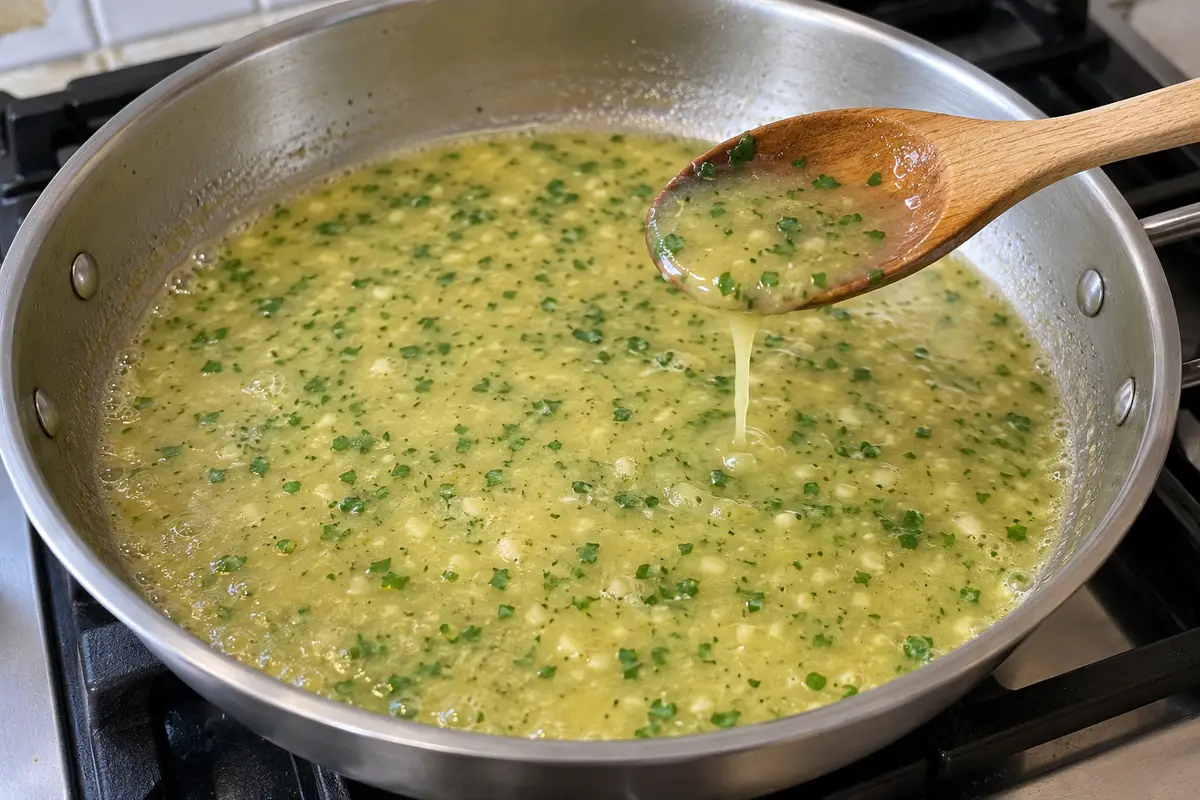
AI-generated Arrange the hake skin-side down in a single layer and spoon a few tablespoons of sauce from the pan over the portions. Wait for the gentle simmer to return, cover with the lid slightly ajar and cook over low heat for about 10–12 minutes. The fish should be cooked through and separate gently into flakes; thicker portions may need a few minutes longer. Instead of turning the delicate fillets, spoon sauce over them from time to time.
Place the cooked clams between the fish portions, add any liquid from the clean bowl and heat with the lid on for about 1–2 minutes, until hot. Add the remaining 10 g parsley, taste the sauce and season with some of the measured salt if needed. Serve one skin-on hake portion per person, dividing all the edible clams and all the sauce among four plates. The shells are for presentation only and are not edible.
Estimated nutrition

Rate this recipe
0 ratings
Comments