
AI-generated
Açorda de marisco — Portuguese bread with seafood
Log in or create a free account to save recipes.
Source: https://recipheon.com/en/recipes/main-dishes/acorda-de-marisco-portuguese-bread-with-seafood
About this recipe
Açorda de marisco is a Portuguese dish of stale bread that absorbs fragrant broth and becomes a thick, soft mixture. Shrimp, clams, garlic, and fresh cilantro give it a pronounced seafood flavor. The texture matters most: the bread should break down but retain a delicate structure, and the mixture should fall easily from a spoon. The clam cooking liquid is strained and combined with stock so it reaches the dish without sand. The shrimp are cooked briefly and added near the end to stay juicy. Serve immediately, while the açorda is creamy and very hot.
Ingredients
Bread, seafood, and liquids
400 g stale rustic wheat bread with the crust, one or two days old, with no seeds or added ingredients
400 g raw medium shrimp, weighed after peeling, without heads, shells, tails, or digestive tracts; if frozen, already thawed in the refrigerator and drained
1 kg live amêijoas or vongole clams in their shells, gross weight; from a reliable supplier, cleaned of sand and ready to cook
1 l prepared unsalted fish stock as a reserve — to top up the clam liquid to 800 ml and adjust the consistency if needed; the rest remains unused
100 ml water for opening the clams
Aromatics and seasoning
60 ml olive oil — 20 ml for the shrimp and 40 ml for the bread base
20 g garlic, weighed after peeling
20 g fresh cilantro, leaves and tender stems — 15 g for the dish and 5 g for the topping
up to 3 g fine salt, only after tasting
0.5 g ground black pepper
Steps
Tear or cut the bread, including the crust, into 2–3 cm pieces and put them in a bowl. Finely chop the garlic; chop the cilantro stems and leaves separately. Pat the shrimp dry. Rinse the clams under cold running water. Discard cracked shells and open shells that do not close when lightly tapped. Use clams that have already been cleaned of sand, not ones you have gathered yourself.
Bring 100 ml water to a boil in a wide pot. Add the clams, cover, and cook over medium-high heat for about 5–7 minutes, shaking the pot once or twice, until the shells open. Transfer the open clams to a bowl; discard any that remain closed after cooking. Strain all the liquid through a fine-mesh sieve lined with clean cheesecloth to catch the sand. When the clams are cool enough to handle, remove and reserve all the meat; discard the empty shells.
Pour the strained clam liquid into a measuring jug and top up with unsalted fish stock TO a total volume of 800 ml. Do not add 800 ml stock on top of the clam liquid. Bring to a boil. Measure out 600 ml and pour over the bread; keep the remaining 200 ml hot. Let the bread soak for about 10 minutes, stirring once, and work on the shrimp in the meantime. Do not pour off the soaking liquid.
Heat 10 ml olive oil in a wide pot or deep frying pan over medium-high heat. Cook half the shrimp for about 2–3 minutes, turning halfway through. Transfer to a plate and cook the rest the same way, adding another 10 ml olive oil. The shrimp should lose their translucency in the center too, remain springy, and turn lightly pink. Keep all the juices on the plate; leave the fat in the pan.
Reduce the heat to low and add the remaining 40 ml olive oil and the garlic. Stir for about a minute without browning, then add the chopped cilantro stems and warm them briefly. Add the soaked bread with all its liquid. Cook for 8–10 minutes, stirring frequently and crushing the pieces with a wooden spoon or masher. Gradually pour in all the reserved 200 ml hot broth. The bread should break down into a soft, thick mixture with a fine texture; the trail left by the spoon should slowly close. If it is still too stiff, add another 50–100 ml hot stock from the reserve.
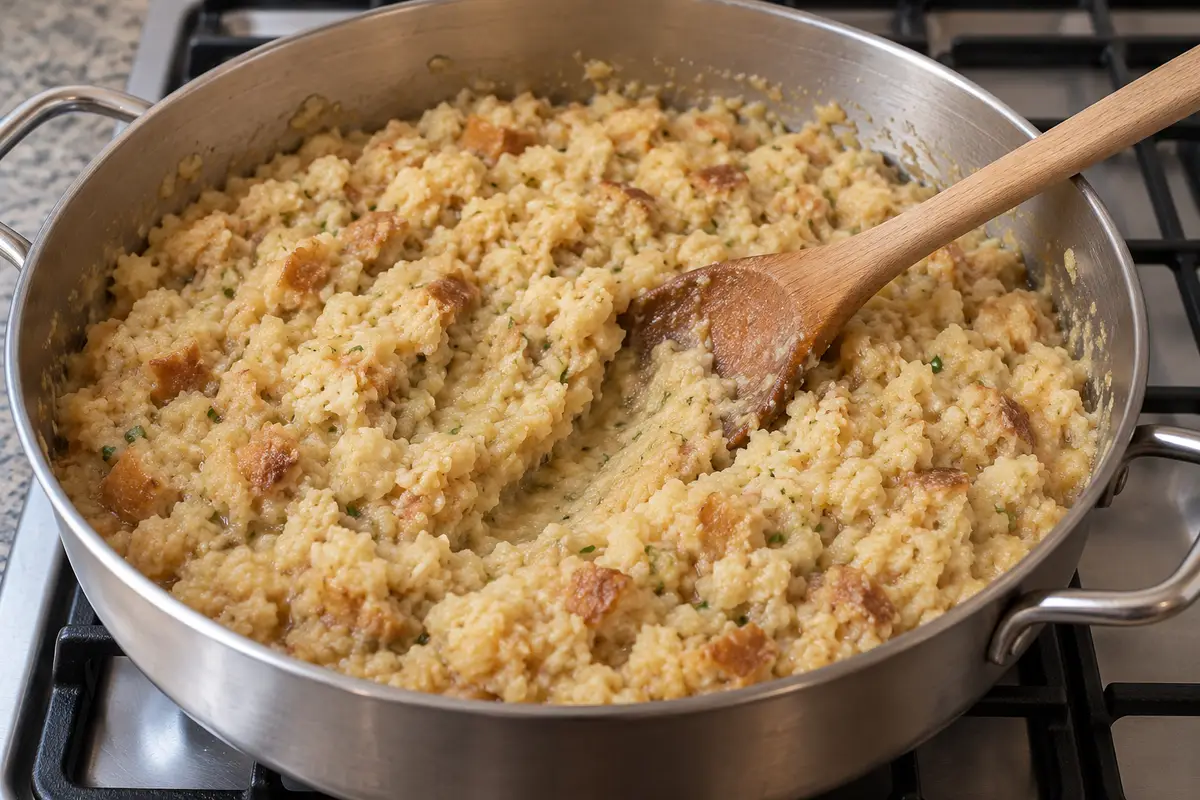
AI-generated Add the shrimp with all their juices, the clam meat, the pepper, and enough chopped cilantro leaves to use 15 g together with the stems added earlier. Stir gently over low heat for about 2 minutes, until everything is very hot again. Taste and only now add as much of the salt as needed; the clam broth may already be salty enough. Divide into four portions and sprinkle with the remaining 5 g cilantro. Serve immediately: the açorda should fall softly from the spoon, without a separate layer of liquid.
Estimated nutrition

Rate this recipe
0 ratings
Comments