
AI-generated
Mattentaart – Belgian pastries with a milk curd filling
Log in or create a free account to save recipes.
Source: https://recipheon.com/en/recipes/desserts/mattentaart-belgian-pastries-with-a-milk-curd-filling
About this recipe
Mattentaart are Belgian pastries with crisp puff pastry and a light, slightly grainy milk curd filling. The filling is based on matten, the curds formed by heating milk with buttermilk and thoroughly draining off the whey. This homemade version also includes eggs, sugar, and a small amount of ground almonds. Have six metal tartlet molds measuring 10 cm across and at least 2.5–3 cm deep ready, along with a strainer lined with clean cheesecloth or a thin kitchen towel. The matten drain overnight in the refrigerator, and that time is included in the recipe. Ready-made all-butter puff pastry makes the work easier, while a slit in each lid lets steam escape during baking.
Ingredients
For 6 pastries
2000 g pasteurized whole milk, 3.5% fat
600 g plain buttermilk without added flavorings
500 g raw all-butter puff pastry, chilled: 300 g for the bases and 200 g for the lids
2 medium eggs (about 100 g without shells), plus 20 g beaten egg for brushing
150 g white sugar: 130 g for the curd mixture and 20 g for the egg whites
20 g ground almonds without skins
5 g unsalted butter for the molds
Steps
Pour the milk into a large, heavy-bottomed pot and heat, stirring along the bottom, until it begins to boil. Lower the heat and pour in all the buttermilk. Stir gently, then heat for about 3–5 minutes more without boiling vigorously. Distinct cheese curds should form and separate from the yellowish whey. Remove the pot from the heat.
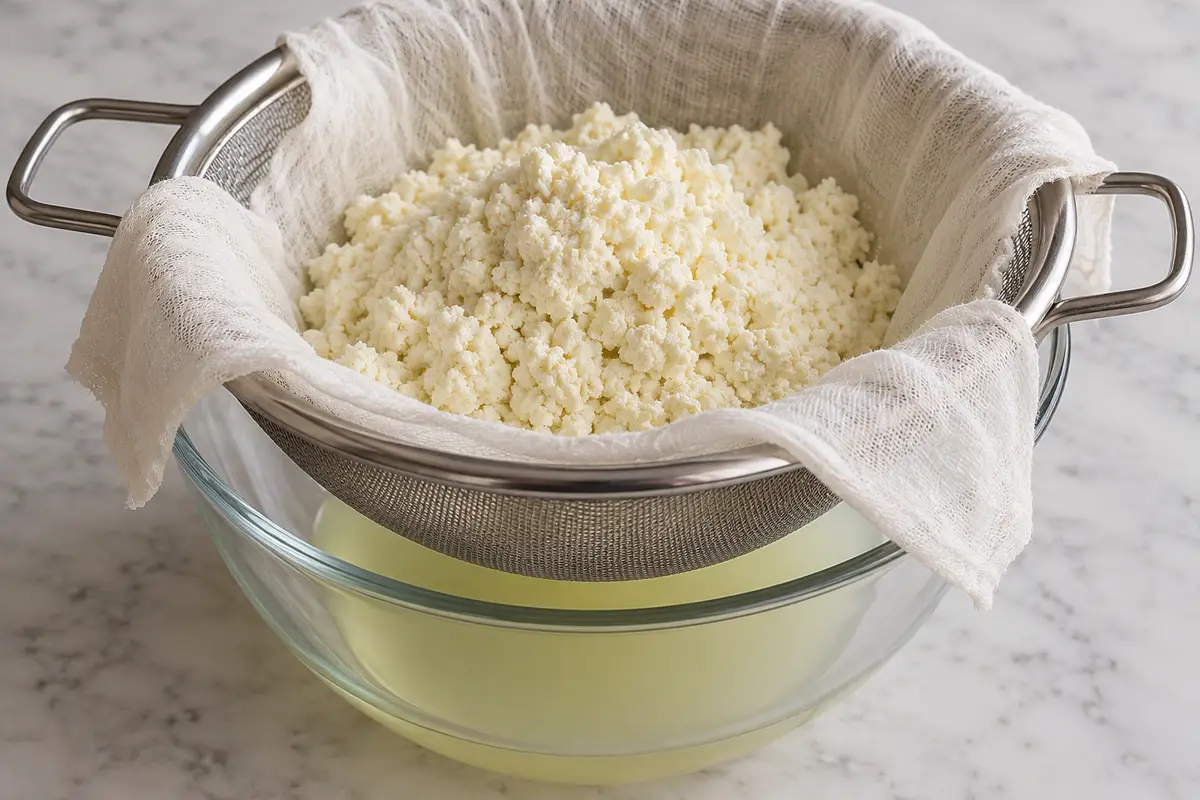
Line a large strainer with clean cheesecloth or a thin kitchen towel and set it over a bowl. Carefully pour in the contents of the pot. Leave for about 30 minutes to let the curds drain and cool slightly, then cover the strainer and refrigerate the whole setup for 12 hours. The bottom of the strainer must not touch the whey; pour liquid out of the bowl as needed. Keep all the drained curds and set the whey aside for use outside this recipe. If using frozen puff pastry blocks, thaw them in the refrigerator during this time for about 10 hours, following the package instructions.
AI-generated Use all 5 g butter to grease six metal tartlet molds measuring 10 cm across and about 3 cm deep. Divide 300 g cold pastry into six pieces for the bases and the remaining 200 g into six lids. Roll the pieces between sheets of parchment paper: the bases into rounds about 15 cm across and the lids about 11 cm across. Line the bottoms and sides of the molds without stretching the pastry. Work any small trimmings into the lids; do not add flour for dusting. Refrigerate the lined molds and lids while you prepare the filling.
Preheat the oven to 220°C, using conventional top and bottom heat. Press all the cold curds through a sieve or process briefly in a food processor to break up larger lumps. Separate the two medium eggs, keeping both the yolks and whites. Beat the yolks with 130 g sugar, then mix in the curds and almonds. Beat an additional egg in a separate small bowl, weigh out 20 g for brushing, and refrigerate that portion; the rest of the additional egg is not needed for this recipe.
Put both reserved egg whites in a clean, dry bowl. Beat with an electric mixer until foamy, then gradually add the remaining 20 g sugar. Beat until the whites are glossy, hold their shape, and still feel supple. Do not beat them until dry and clumpy.
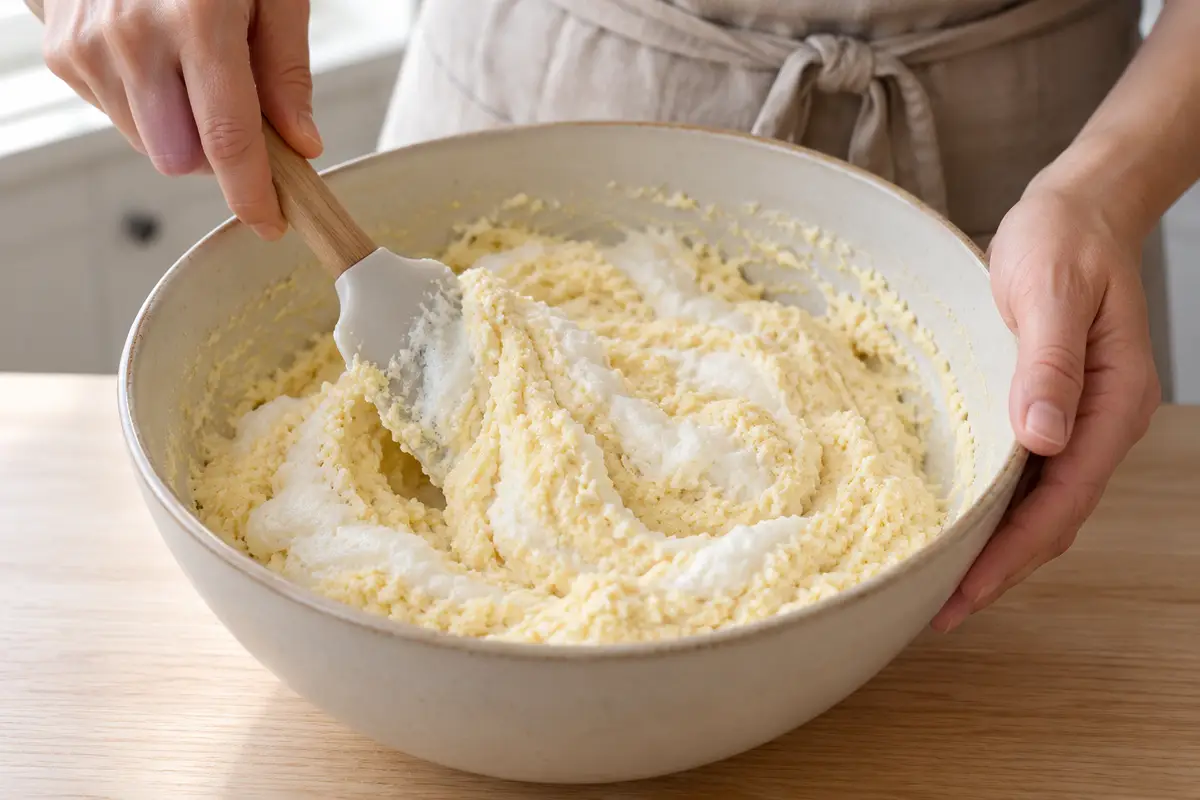
Add about one-third of the beaten whites to the curd mixture and stir with a spatula to loosen it. Add the remaining whites in two batches, gently folding the mixture up from the bottom. Stop mixing when no large streaks of egg white remain visible. The filling should stay fluffy and slightly grainy.
AI-generated Divide all the filling among the six pastry-lined molds, leaving a little space beneath the lids. Level it without pressing down firmly. Cover with the prepared pastry rounds and seal the lids thoroughly to the edges of the bases, pressing with your fingers or a fork. Incorporate all small pastry trimmings into the pastries. Arrange the molds with space between them on a single baking sheet.
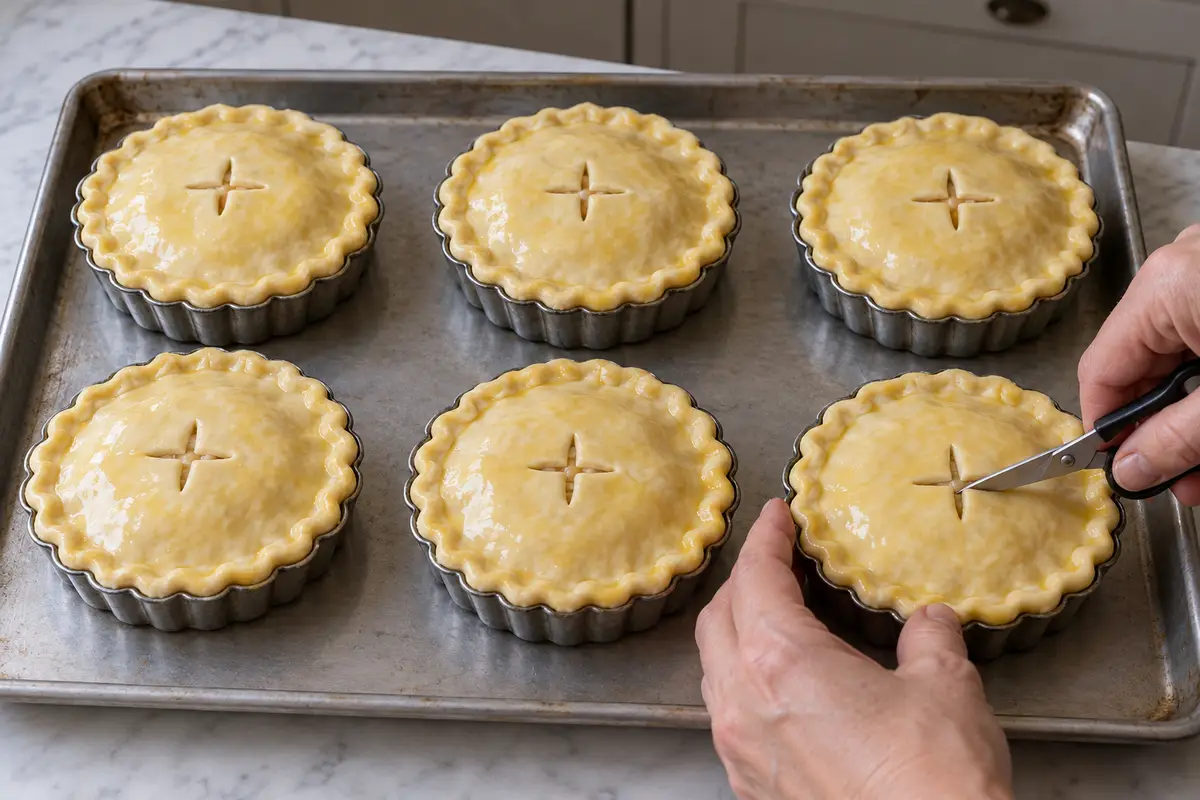
Take the measured 20 g beaten egg out of the refrigerator and brush all of it in a thin layer over the six lids. Use clean scissors to snip a small cross in the middle of each one, cutting only through the lid. This opening lets steam escape. Do not press down on the tops again after cutting.
AI-generated Place the baking sheet on the middle oven rack and bake for about 30–35 minutes, until the pastry has risen and the tops and visible sides are distinctly golden. After taking them out, leave the pastries in their molds for 10 minutes, then carefully unmold and cool on a rack for another 20 minutes. Serve without additions. Once completely cool, store any uneaten pastries in a covered container in the refrigerator for up to 2 days.
Estimated nutrition
We couldn't estimate the nutrition for this recipe yet.

Rate this recipe
0 ratings
Comments