
AI-generated
Scarpaccia di Camaiore — thin zucchini and onion tart
Log in or create a free account to save recipes.
Source: https://recipheon.com/en/recipes/snacks/scarpaccia-di-camaiore-thin-zucchini-and-onion-tart
About this recipe
Scarpaccia di Camaiore is a savory Tuscan tart in which thin zucchini and onion slices are held together with a small amount of simple batter. In this homemade version, salt the vegetables first and leave them to rest, keeping all their released juices in the bowl. Only then add type 550 wheat flour, fine fioretto cornmeal, weighed water and olive oil. Spreading the mixture very thinly over a large metal baking sheet allows the edges and bottom to brown well while the center retains the flavor of the vegetables. This is the savory Camaiore version, without sugar, eggs, cheese or milk. Even thickness matters most: thick mounds of zucchini would stay wet instead of forming a thin tart. Let the finished scarpaccia release steam briefly, then cut into twelve pieces. Serve six small portions of two pieces, without extra sauce or garnish.
Ingredients
Vegetables with all released juices
500 g raw small zucchini with skin, net weight after trimming the ends, without scooping out the soft seeds
100 g raw yellow onion, net weight after peeling and trimming the ends
5 g fine salt, all for the vegetables; all juices with the dissolved salt used
0.5 g ground black pepper
Batter to bind the vegetables
100 g dry all-purpose wheat flour, type 550, all for the batter, without dusting the baking sheet
40 g dry fine fioretto cornmeal, all for the batter, not starch and not prepared or instant polenta
60 g water, weighed, all for the batter in addition to all the vegetable juices
15 g extra-virgin olive oil, weighed, all for the batter
Weighed oil for pan and top
10 g of the same extra-virgin olive oil to grease the baking sheet; residue on the sheet after removing the tart is not served
10 g of the same extra-virgin olive oil for the top, all spread on before baking
Steps
Wash small, firm zucchini and dry them. Trim the ends, keep the skin and soft seeds, then weigh out 500 g. Peel the onion, trim its ends and weigh out 100 g. Prepare a large bowl, a knife or mandoline with a hand guard, and a flat metal baking sheet with internal dimensions about 30 × 40 cm. Do not use a small, deep pan in which the mixture would form a thick layer.
Cut zucchini into very thin slices, about 1–2 mm, and onion into equally thin half-moons. If using a mandoline, move the vegetables with its guard, not your fingers. Put all the weighed slices in the bowl, including small edible pieces from cutting. Do not grate the vegetables into a pulp and do not reserve any for garnish; the thin slices should evenly cover the entire baking sheet.
Add all 5 g salt, mix the slices thoroughly and cover the bowl. Refrigerate for about 2 hours, stirring once halfway through. The vegetables should soften and release visible juices. Do not transfer them to a strainer, do not squeeze them in a cloth and do not rinse. All zucchini, onion and liquid with dissolved salt stay in the same bowl and go into the tart.
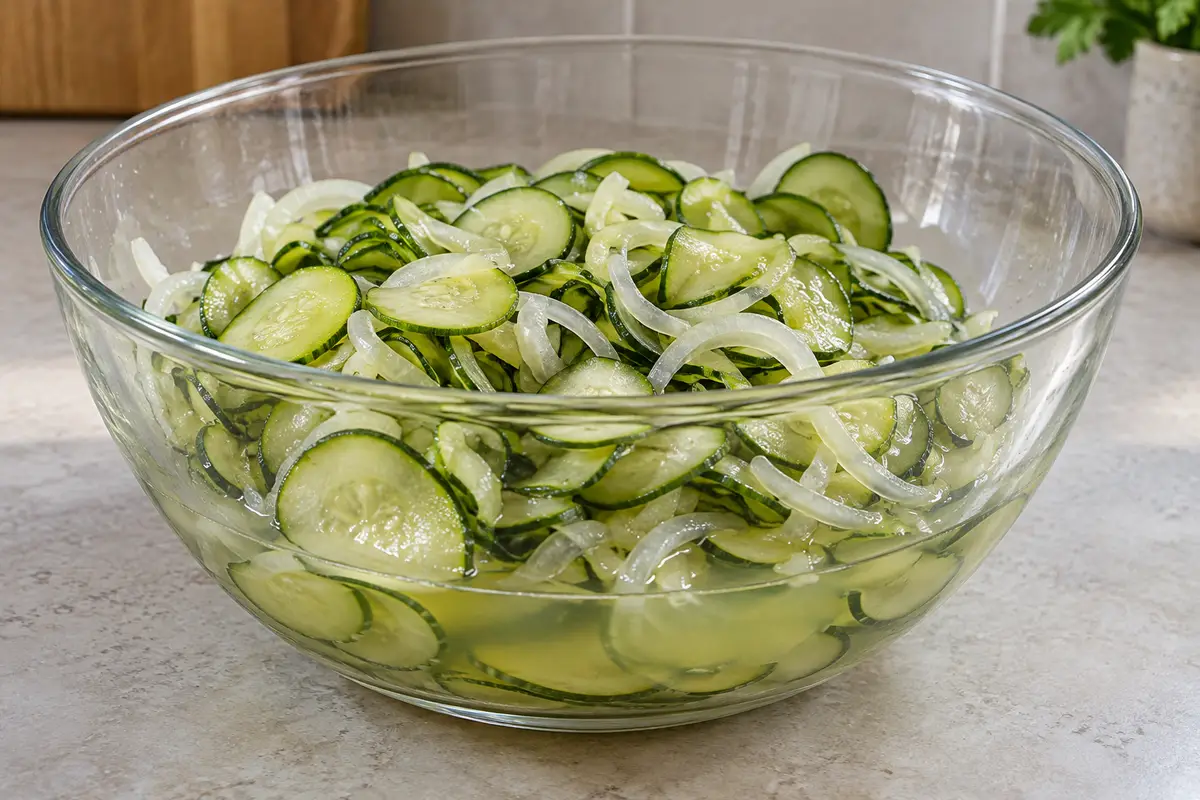
AI-generated Near the end of the vegetable rest, preheat the oven to 220°C, conventional heat. Weigh out separately 15 g olive oil for the batter, 10 g for the baking sheet and 10 g for the top. Spread the pan portion thinly over the entire base and low edges. Do not add flour or breadcrumbs and do not add any other fat. The sheet must be metal and flat so the mixture can form an even, thin layer.
In a separate dry bowl, mix all 100 g type 550 wheat flour, 40 g fine fioretto cornmeal and 0.5 g pepper. Fioretto should be finely ground dry corn, not white starch, cooked polenta or coarse grits. Do not reserve any flour for dusting and do not add more salt; the salt is already in the vegetables with the retained juices.
Add the weighed 60 g water and 15 g olive oil to the vegetables with all their juices. Gradually add the mixed flours, folding gently with a spatula until no dry patches remain. Leave for about 10 minutes, then stir again. The batter should coat the slices thinly, without dry lumps or a separate watery puddle. Do not pour off juices and do not add unweighed water; use the entire prepared mixture.
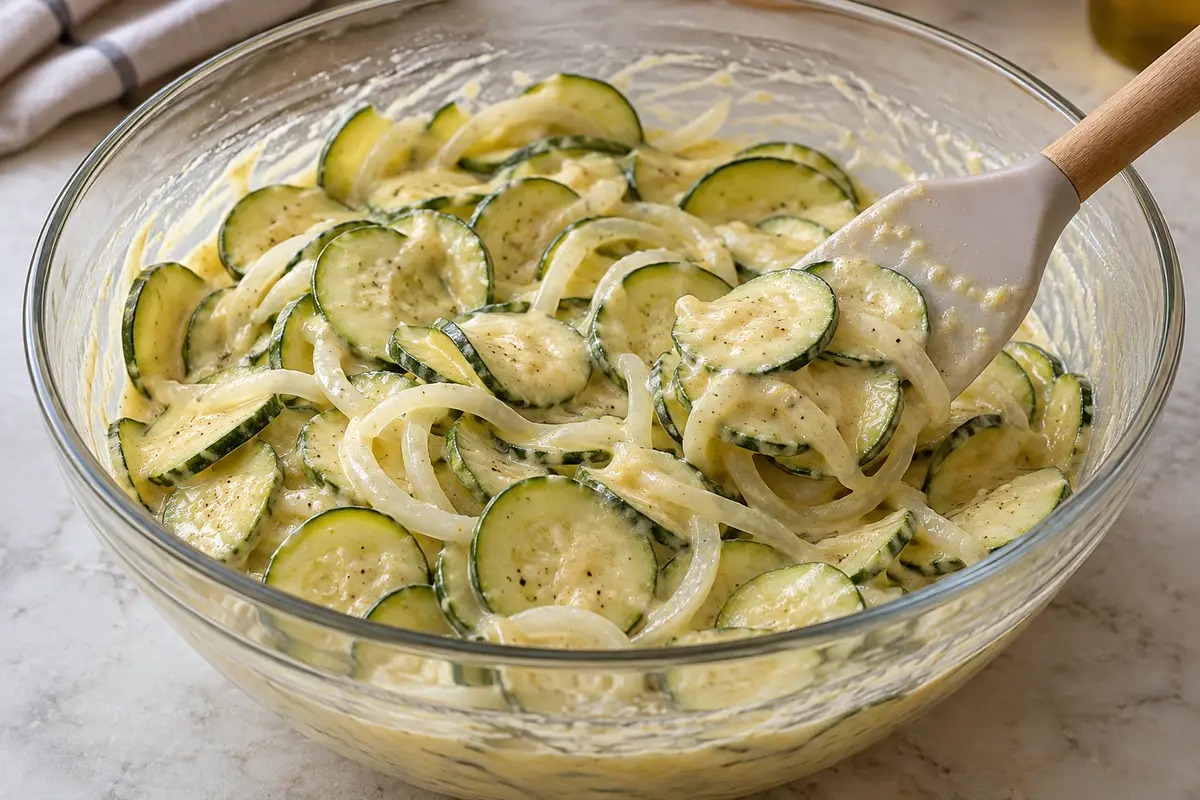
AI-generated Transfer all the mixture to the greased baking sheet, thoroughly scraping out the bowl. Spread with a spatula into the corners over the entire area about 30 × 40 cm, forming a layer roughly 5–7 mm thick without thick mounds. Separate overlapping clusters of slices. Drizzle all the remaining 10 g olive oil over the top and spread with a brush. Do not add zucchini blossoms, herbs, cheese or extra flour.
Place the sheet below the middle rack position and bake at 220°C for about 40–50 minutes. The edges should be deeply golden and the surface browned without wet patches. Near the end, carefully lift a corner with a wide spatula: the bottom should be golden and firm enough to release from the sheet. If still pale or damp, bake a few minutes longer, watching the edges. Do not remove the tart while there is still raw, sticky batter under the vegetables.
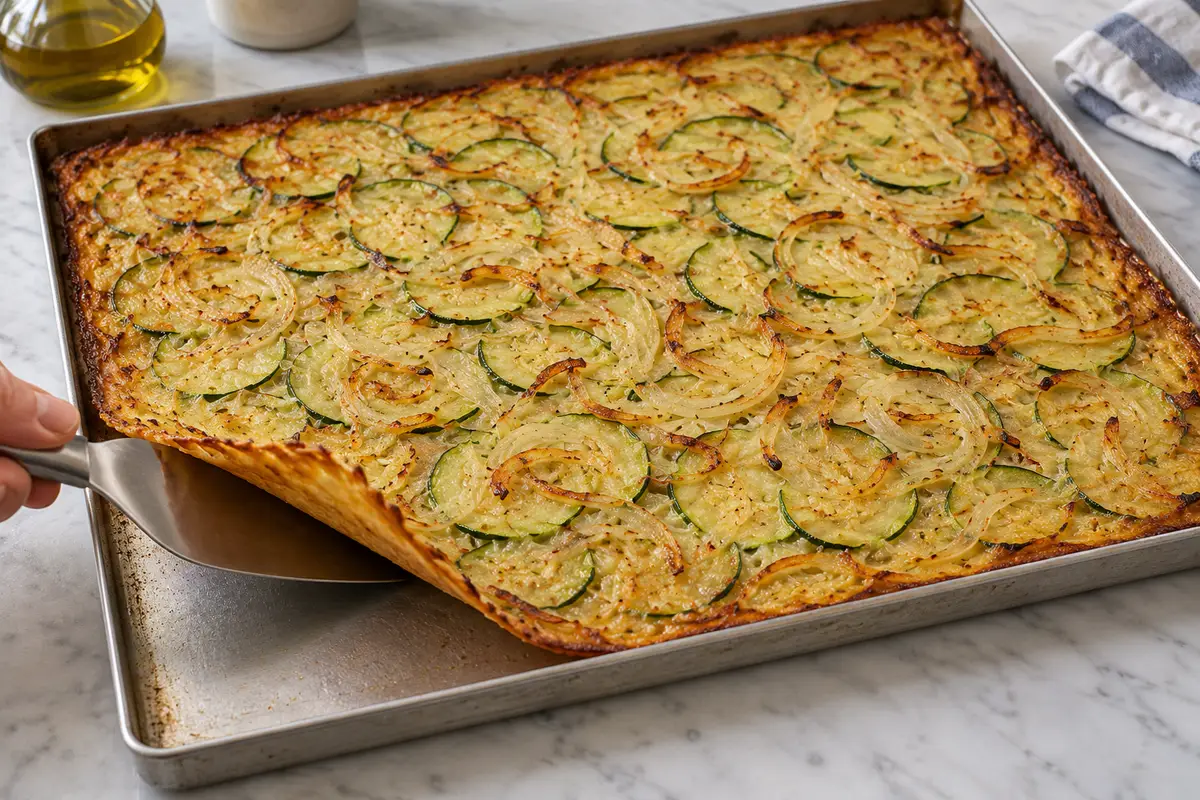
AI-generated Leave the baked tart for about 5 minutes, then loosen with a wide spatula and carefully slide onto a rack for another 5 minutes so steam does not soften the bottom. Cut all of it into twelve pieces, dividing the short side into three and the long side into four. Serve six small portions of two pieces, including all the edges. Oil residue on the sheet is not served; do not add sauce or toppings.
Scarpaccia is at its tastiest when fresh, while the bottom and edges are crisp. Refrigerate cooled leftovers within 2 hours of baking and eat within 2 days. Reheat in a single layer, without covering, at 180°C for about 8–10 minutes until hot and lightly crisp again. Do not add olive oil and do not moisten with water; after storage, the tart may be softer than when freshly baked.
Estimated nutrition

Rate this recipe
0 ratings
Comments