
AI-generated
Sicilian Cannoli with Ricotta Cream and Pistachios
Log in or create a free account to save recipes.
Source: https://recipheon.com/en/recipes/desserts/sicilian-cannoli-with-ricotta-cream-and-pistachios
About this recipe
Sicilian cannoli are crisp, fried pastry tubes filled with smooth ricotta cream and chopped pistachios at the ends. The contrast between the thin, blistered pastry and the cool filling depends mainly on draining the cheese thoroughly and filling the shells just before eating. In this version, dough made with lard, Marsala and a little cocoa is rolled into individual ovals, so all of it is used without kneading scraps again. Metal molds support the tubes during frying, and carefully sealed edges keep them from unwrapping. The filling is made with sheep's milk ricotta and powdered sugar; pistachios add a distinct nutty flavor and a delicate crunch.
Ingredients
Dough and sealing the shells
170 g all-purpose flour: 160 g for the dough and 10 g for dusting
20 g pork lard, softened
15 g superfine white sugar
3 g unsweetened cocoa powder
1 g fine salt
1 medium egg, about 50 g without the shell: 40 g for the dough and 10 g for sealing
30 ml dry Marsala secco wine
10 ml white wine vinegar
Filling and pistachios
750 g fresh full-fat sheep's milk ricotta, weighed before draining; the whey will be discarded
150 g powdered sugar
40 g shelled unsalted pistachios
Greasing the molds and frying
1010 ml refined sunflower oil: 10 ml for greasing the molds and 1000 ml for deep-frying, which is not served with the dessert
Steps
Line a fine-mesh sieve with clean cheesecloth, set it over a bowl and add all the ricotta. Cover and refrigerate for about 8 hours, making sure the cheese does not touch the whey collecting below. Discard the liquid after draining; the ricotta should be thick, retain its shape when scooped and not leave a watery puddle. If it is still visibly dripping, drain it longer and use all the ricotta remaining in the sieve for the filling.
Start the dough about 75 minutes before the ricotta finishes draining. Beat the egg, weigh out 10 g into a small covered container and refrigerate it for sealing; reserve the remaining approximately 40 g for the dough. In a bowl, mix 160 g flour with the cocoa, superfine sugar and salt, rub in the lard, then add the egg reserved for the dough, the Marsala and the vinegar. Bring together, then knead on a work surface without flour for about 5–7 minutes, until the dough is firm, smooth and elastic and does not stick to your hands.
Wrap the dough tightly and refrigerate for 1 hour while the ricotta continues to drain. Prepare 6 metal cannoli molds about 3 cm in diameter and about 14 cm long, a rolling pin, tongs, a wire rack and a piping bag with a wide plain tip. After removing the dough from the refrigerator, leave it at room temperature for about 10 minutes and make the filling during this time.
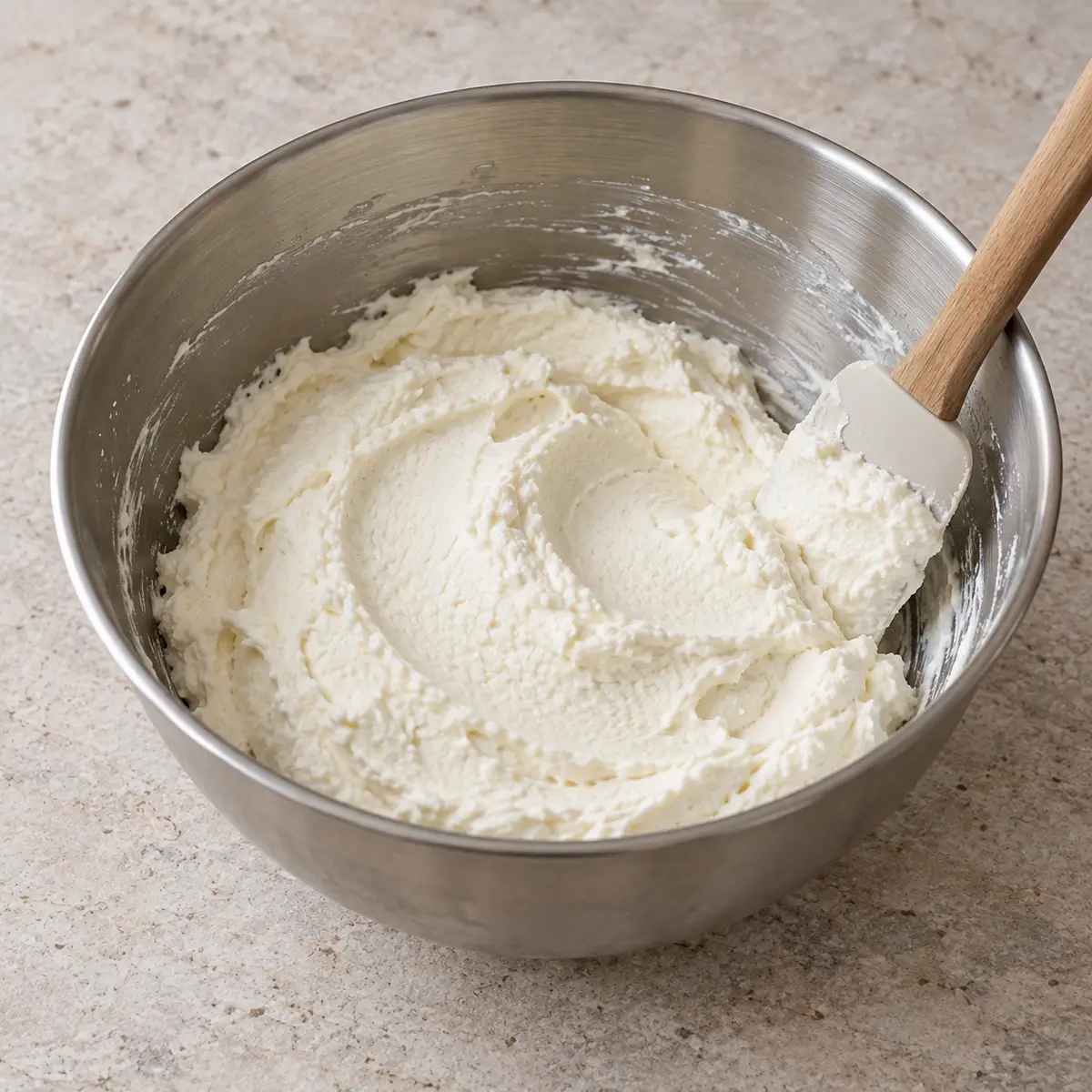
Press all the drained ricotta through a fine-mesh sieve into a bowl. Add all the powdered sugar and gently mix with a spatula until the filling is smooth and thick, with no dry lumps of sugar; do not beat it for long and do not thin it out. Cover and refrigerate until you are ready to fill the shells. Finely chop the pistachios and set them aside for decorating the ends.
AI-generated Divide all the dough into 12 equal pieces and keep those not in use covered so they do not dry out. Roll each piece into an oval about 12 cm long and about 10.5 cm wide, approximately 1.5–2 mm thick, distributing the 10 g flour reserved for dusting between the work surface, rolling pin and all the pieces. Do not cut out shapes with a cutter: roll out each entire weighed portion without leaving scraps. Set the ovals apart and cover loosely to keep their surfaces pliable.
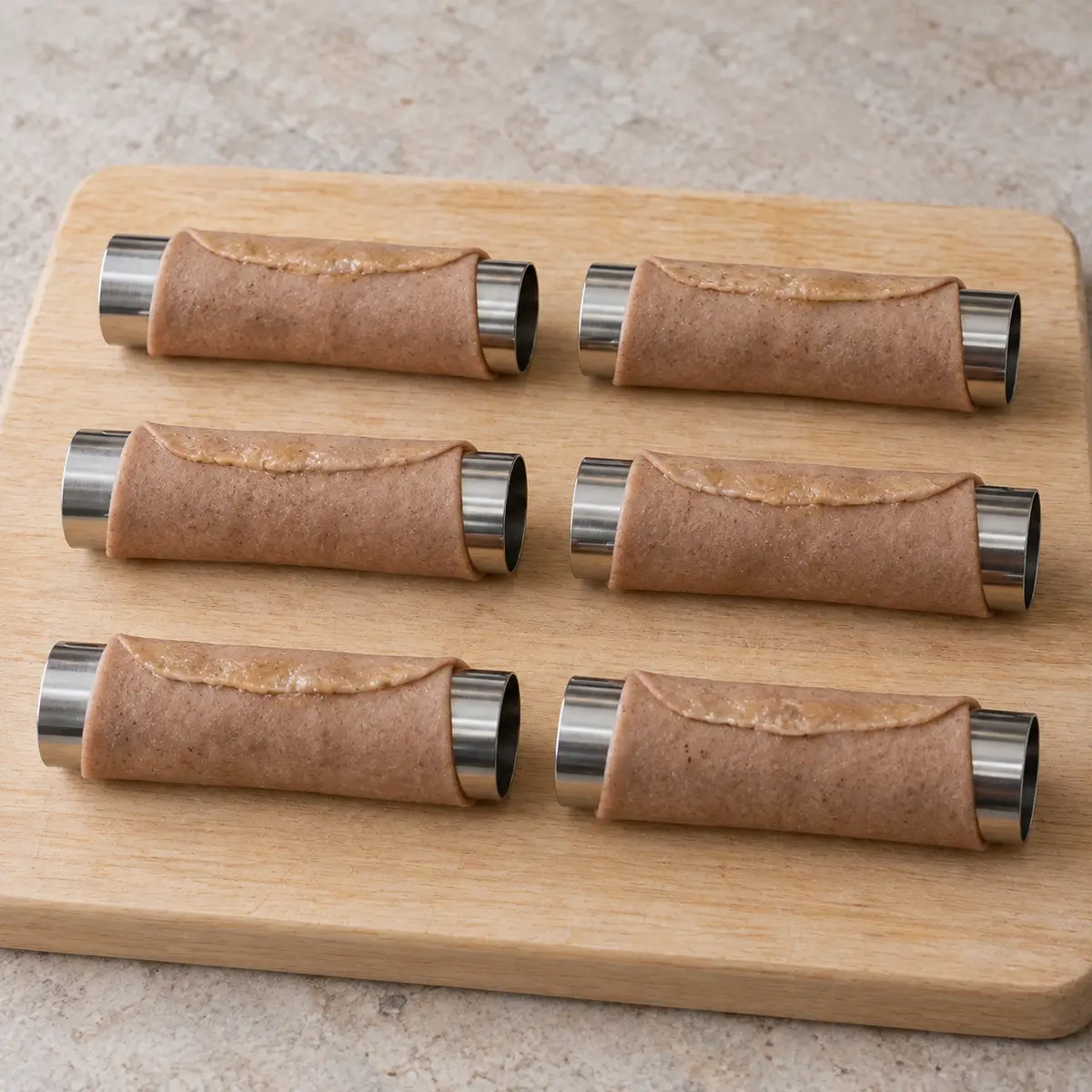
Brush the first 6 molds with a very thin layer of oil, using 5 ml of the oil reserved for greasing. Place a mold along the longer axis of an oval and wrap the dough around it without stretching it tightly; the edges should overlap by about 1 cm. Divide 5 g of the reserved egg between the seams, brushing only the dough, not the metal, and press the overlaps firmly together. Cover the shaped tubes loosely and reserve the remaining 6 ovals, 5 g egg and 5 ml oil for reusing the molds.
AI-generated Pour 1000 ml oil into a pot about 18 cm in diameter with a capacity of at least 3 l; the oil should be about 4 cm deep. Heat over moderate heat to about 175°C: the oil should not smoke, and a dipped edge of dough should immediately be surrounded by small, lively bubbles without darkening rapidly. Carefully lower 3 tubes on their molds into the oil, seam side down, and fry for about 2–3 minutes, turning gently with tongs. The shells should be evenly golden brown, firm and blistered; adjust the heat so they do not brown too quickly.
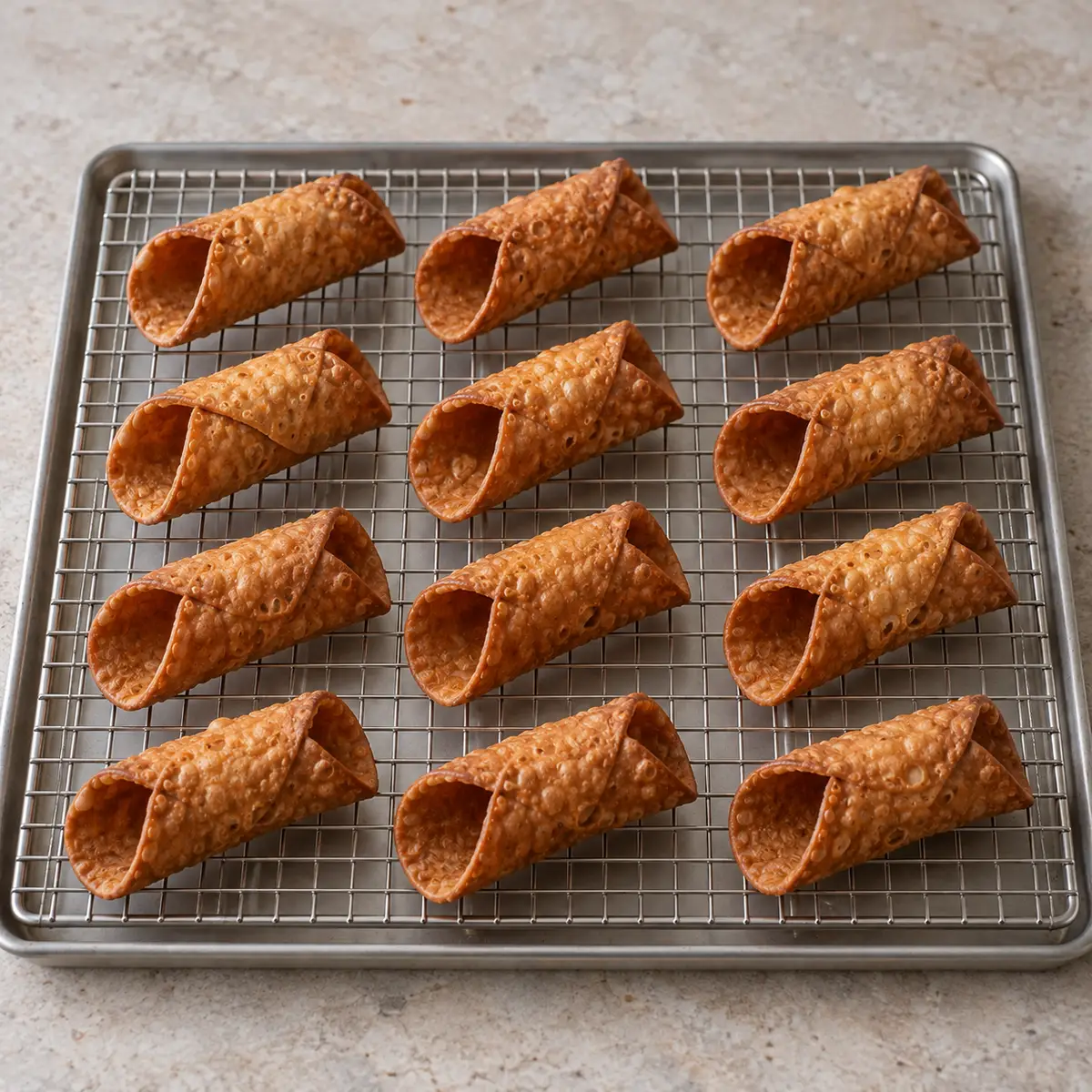
Lift out the tubes with tongs, let the oil drain back into the pot and set them on a wire rack over a baking sheet. Leave for about 5–10 minutes, until the metal molds are cool enough to hold safely through a dry kitchen towel; meanwhile, fry the second batch of 3 tubes on the remaining molds. Gently twist each mold inside its shell and slide it out, holding the pastry at the thicker section near the seam. Do not pull hard on the delicate ends and do not cool the molds with water.
Once the molds have cooled, wrap them with the remaining 6 ovals, using the reserved 5 ml oil for greasing and 5 g egg for sealing. Fry another 2 batches of 3 tubes in the same way, allowing the oil to return to about 175°C before each batch. Remove the shells from the molds only after they have cooled enough to handle, as before. Make a total of 12 shells in 4 batches; allow about 30 minutes for heating the oil, frying all the batches and changing the molds.
Place all the shells, without their molds, on a wire rack and leave the last batch for about 15 minutes, until the shells are completely cool. They should be dry and crisp inside as well; do not fill warm shells, because the filling will thin out. Leave the oil remaining after frying in the pot to cool; it is not an accompaniment to the cannoli.
AI-generated Just before serving, transfer the chilled filling to a piping bag. Fill each shell from both ends, pointing the tip toward the center so no empty space remains. Divide all the filling evenly among the 12 cannoli, leaving it visible at both openings.
Divide all the chopped pistachios between the exposed filling at both ends of the shells, pressing them on gently. Serve the cannoli immediately after filling, allowing 1 per serving, while the shells are still crisp.
Estimated nutrition

Rate this recipe
0 ratings
Comments